A featured contribution from Leadership Perspectives: a curated forum reserved for leaders nominated by our subscribers and vetted by our Elder Care Review Advisory Board.

Ontario Shores Centre for Mental Health Sciences

Bonnie Jean-Baptiste, Clinical Manager, and Julie Earle, Nurse Practitioner

Shaping the Future of Dementia Care Through Personalized Support
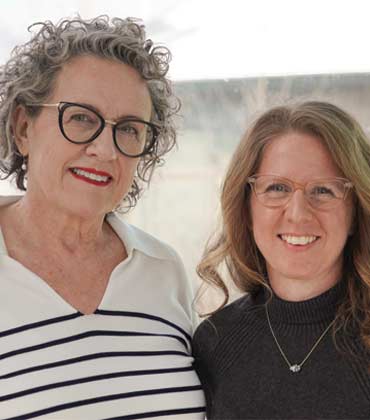
Bonnie Jean-Baptiste

Bonnie Jean-Baptiste

Dementia Care Authority

Bonnie Jean-Baptiste is a seasoned healthcare professional with over 35 years of clinical experience in mental health and acute medicine. Julie Earle brings to the table over 20 years of experience in nursing and extensive experience in geriatrics. She serves as the most responsible provider on the inpatient unit, pioneering a patient-centered approach to dementia care in the country.

In an interview with Elder Care Review Canada, Jean-Baptiste and Earle share their insights on elder care, tapping into their extensive experience working in healthcare.

Managing the Bigger Picture

When I stepped into my role as the manager of the geriatric dementia unit at Ontario Shores Centre for Mental Health Sciences, I uncovered a possibility to enhance the support given to seniors with complex needs. I currently oversee the operations of our 23-bed unit, which is designed for short-term assessment and treatment for residents from long-term care homes who experience responsive behaviors. Our patients stay with us for 59 days, during which we conduct medication reviews, behavioral therapy and in-depth assessments. My responsibility lies in ensuring that every piece of this process functions effectively for everyone involved—patients, their families and caregivers.

Hands-On, Patient-First Care

I was always driven by a commitment to patient-centered care, and that’s exactly what I bring to my role as the nurse practitioner at Ontario Shores. My background spans critical care, stroke rehabilitation and geriatric emergency management, but the last decade has been focused on dementia care.

Every day, I work closely with our interdisciplinary team to assess patients, adjust treatments and ensure their emotional and psychological well-being. I am the first nurse practitioner member of the Consent and Capacity Board of Ontario, and this position has also been a crucial contributor of shaping my approach to care. At the heart of it all, my goal is to help seniors live with comfort and the best quality of life possible.

Navigating the Complexities of Dementia Care

Providing high-quality dementia care means recognizing that every patient is unique. Care must be individualized, patient-centered and tailored to the different stages of the illness. Beyond treating symptoms, practitioners must invest in understanding what matters to patients, building trust and identifying triggers for behavioral and psychological symptoms of dementia.

The future of geriatric care is anything but reinventing the wheel. It’s about deepening our commitment to compassion. While technology can improve treatment, the primary goal should be to understand a patient as a whole, not just their sickness.

To support this, we have implemented initiatives like the gentle, persuasive approach to train staff in delivering patient-focused, geriatric-specialized care. We’ve also designed a dementia-friendly environment, incorporating thoughtful elements like color psychology. For example, our day area features a coral hue known for its brightening and comforting effect. All washrooms are painted a vibrant blue to aid wayfinding and promote independence as much as possible when self-toileting.

Recognizing that many of our patients are in the late stages of their disease, we are developing a dedicated palliative suite to provide family support, including parking, refreshments and overnight accommodations. At the same time, we continue to face the broader system-wide challenge of long-term care placement, where individuals transitioning from home or other geriatric units often experience extended wait times.

Tech and Care

Younger individuals are increasingly suffering from dementia, and there is a need to acknowledge each person’s unique circumstances. Innovative techniques play a key role in overcoming this issue. Our unit features the BroomX, an immersive projection system that transports patients to meaningful environments—whether it’s their hometown, an underwater world or a peaceful sailing experience. This technology has been invaluable for reminiscence therapy and fostering engagement between patients and their families.

Beyond this, we’ve explored research studies involving wearable that monitor biometrics and correlate them with behavioral responses. We also offer pharmacogenetic screening for treatment-resistant patients, helping tailor medication strategies to their specific needs. Least-restraint philosophy is also a major highlight, which allows us to implement safety measures to eliminate physical restraints across our geriatric units.

The Power of Compassion in Geriatric Care

The future of geriatric care is anything but reinventing the wheel. It’s about deepening our commitment to compassion. While technology can improve treatment, the primary goal should be to understand a patient as a whole, not just their sickness.

Staff training, including simulation exercises, fosters empathy by helping caregivers experience a patient’s mobility and sensory challenges firsthand. Family involvement is also important as they navigate both caregiving and the emotional weight of a loved one’s decline. In-depth conversations with families allow us to tailor activities, therapies and even daily routines to each patient’s history and preferences. Whether it’s offering a familiar meal, respecting cultural traditions or using small, meaningful connections—like a hockey fan wearing their favorite jersey—makes a difference. Good care is compassionate and ever-evolving.

Embracing the True Value of Care

Every behavior has a meaning, and understanding its cause is key to providing compassionate care. Seniors deserve respect and resources to support their well-being not just for their age but for the lives they’ve lived, the families they raised and the contributions they’ve made to the communities. Their needs may change, but their dignity should not be undermined.

Even the smallest victories, like getting up for the day, matter. While technology is crucial, the true impact comes from empathy. Skills can be taught, but genuine care makes the difference. Take time to listen, observe and collaborate because we all walk this path eventually.

The articles from these contributors are based on their personal expertise and viewpoints, and do not necessarily reflect the opinions of their employers or affiliated organizations.