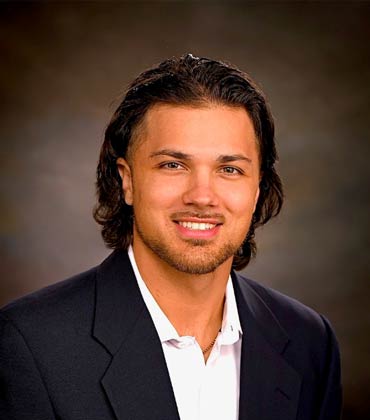
Samuel Fareri is the Director of Rehabilitation Services at Carolina Pines Regional Medical Center, where he oversees inpatient and outpatient rehabilitation programs across orthopedic and neurological care. He earned his Doctor of Occupational Therapy from Chatham University in 2023 and began his career as a travel therapist, gaining experience across multiple healthcare systems nationwide.
His clinical focus includes hand and upper extremity rehabilitation, as well as stroke recovery. He is currently working toward his Certified Hand Therapist credential. A former two-time Academic All-American football player, Fareri also coaches high school football, reflecting his continued commitment to teamwork and mentorship.
Through this article, Fareri shares a leadership approach shaped by teamwork, transparency and continuous learning. He reflects on building a collaborative therapy culture, protecting meaningful one-on-one patient care and navigating the operational realities that shape modern rehabilitation programs.
AT A GLANCE:
- Team Culture Improves Outcomes: Open collaboration, peer-to-peer problem solving and a strong sense of community enable therapists to learn from one another and deliver more effective care across orthopedic and neurological cases.
- Patient Focus Within Real Constraints: Protecting one-on-one patient time remains central to rehabilitation success, while transparent communication and thoughtful scheduling help balance clinical quality with financial and operational demands.
- Leadership Anchored in Learning and Trust: Clear communication, staff alignment and a commitment to lifelong learning strengthen team retention, elevate clinical practice and drive better rehabilitation outcomes over time.
|
Professional Journey and Leadership Role: Growing into the Director’s Seat
My professional journey began in graduate school, where I earned my doctorate in occupational therapy at Chatham University in Pittsburgh, where I’m also from. After graduating, I started my career as a contract travel therapist, taking assignments across the U.S. That experience allowed me to work in different clinical environments and learn from a wide range of teams.
One of those contracts brought me to South Carolina, at the same facility where I now serve as director. I later took another contract in Colorado, but during that time, I heard from peers I had worked with in South Carolina that the director position had opened up. As a young therapist still early in my career, I was unsure if it was realistic, but I saw it as an opportunity worth pursuing.
I went through the interview process and ultimately started in the role in July 2024. Having already built relationships with the therapists on staff, I knew that the culture of the facility played a big part in that transition. Those connections helped me step into leadership and continue growing in the role I’m in today.
Improving Rehabilitation Outcomes: Team Culture and Continuous Learning
From my perspective in outpatient physical and occupational therapy, strong hands-on skills matter, but outcomes improve fastest when they are supported by a real sense of community. When therapists feel comfortable turning to a peer to ask questions, sense-check a treatment plan or discuss how to progress a patient, it strengthens teamwork and builds collective clinical knowledge. That openness is essential in outpatient settings, where orthopedic and neurological cases present a wide range of challenges.
Staying current with education and research is also critical. Techniques evolve, evidence shifts and there are always new ways to approach care, whether through exercise, manual therapy or neurological interventions. Avoiding rigid habits and remaining an active learner enables clinicians to adapt to patient needs and deliver improved rehabilitation outcomes over time.
Patient-Focused Care in Practice: Balancing One-on-One Time with Operational Reality
Protecting one-on-one patient time as much as possible is important. The more consistent that time is, the better the rehabilitation outcomes and the better care patients receive.
Protecting one-on-one patient time as much as possible is essential. The more consistent that time is, the better the rehabilitation outcomes and the better care patients receive.
At the same time, there are operational and financial realities in the background. Budgets matter, and clinics have to remain viable to keep their doors open. If those pieces are ignored, the program will not succeed. Finding the balance means being open and honest with staff. We discuss delivering strong clinical care and advancing patients, but we also recognize that this is a business that must operate efficiently.
By managing schedules carefully and being transparent with the team, we can protect patient time while still meeting operational demands. That balance has helped support both my staff and the clinic's long-term success.
Leadership Challenges in Rehabilitation: Balancing Budgets, Care and Retention
One of the most prominent challenges directors face today is the financial pressure coming from Medicare and Medicaid. Reimbursement continues to tighten, making it harder to stay profitable. That means you must be very diligent with staffing and expenses, particularly regarding scheduling and hours. I try to be open with my team about that.
That challenge is especially present on the outpatient side, but I also oversee inpatient services. There, the focus shifts to maintaining productivity while still delivering effective, high-quality care in an acute hospital setting. You cannot lose sight of patient care, even when operational pressure is high.
Another major challenge is staff retention. Keeping good therapists is challenging right now, and losing them makes things even more difficult. A lot of that comes down to how you treat people, how you communicate and whether the team feels aligned and supported. When staff feel connected and working toward a shared goal, they tend to stay. When that breaks down, it becomes tough to retain good clinicians.
Advice to Rehab Leaders: Open Communication and Lifelong Learning
If I had to offer one piece of hard-earned advice, it would be to prioritize open communication with your entire staff and ensure everyone is on the same page.
It is also crucial to continue advancing education and research, particularly with experienced therapists. Staying current and committing to lifelong learning make you a better clinician and strengthen the entire team. That emphasis was instilled in me early on, growing up in a family deeply rooted in healthcare, and it has stayed with me throughout my career.
When leaders share knowledge, encourage learning and communicate openly, teams continue to grow together. That directly improves patient outcomes and helps every clinician become the best version of themselves.